Baby Tiger Design: A Sweet Addition to Handmade Gifts
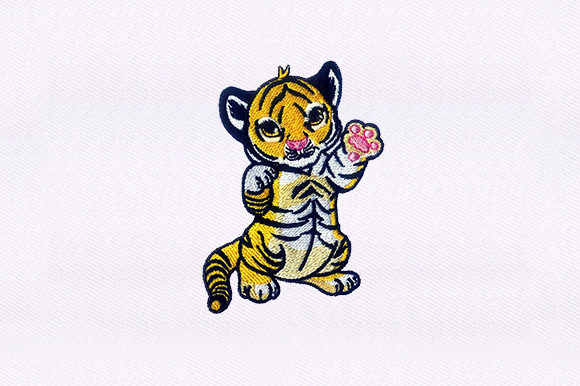
As an embroidery designer who has spent countless hours behind the hoop, I know that finding the right digital file is only half the battle. The other half is envisioning how that design will translate into a tangible, cherished item for a customer. When I first downloaded the Baby Tiger Design from Creative Fabrica, I was immediately struck by its gentle charm. It is not just another animal motif; it is a carefully crafted piece of art that speaks directly to the heart of handmade gifting. For those of us creating personalized products, this design offers a perfect blend of playfulness and elegance, making it an ideal candidate for baby showers, nursery decor, and heartfelt family keepsakes.
First Impressions and Visual Appeal
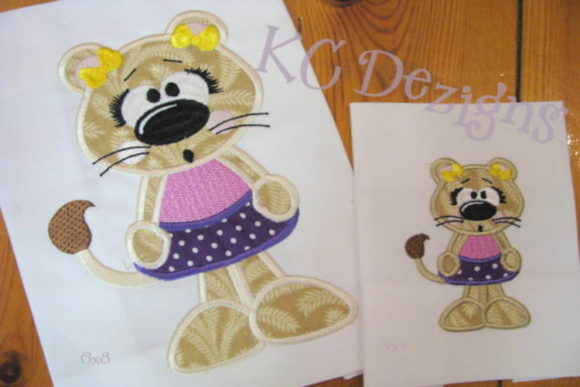
The initial view of the Baby Tiger Design reveals a soft, approachable aesthetic. In the world of Baby Animals themed Embroidery, it is easy to fall into the trap of overly complex or cartoonish styles. However, this design maintains a balanced simplicity that feels modern yet timeless. The lines are clean, suggesting a high-quality digitization process that prioritizes stitch flow and fabric integrity. Visually, it exudes a cozy warmth. It feels sweet without being saccharine, which is a difficult balance to achieve in custom embroidery. This visual softness makes it versatile enough for gender-neutral projects, appealing to a broad range of customers looking for unique, handmade items.
Versatility in Personalized Projects
One of the strongest assets of this machine embroidery design is its adaptability. I have tested similar motifs on various substrates, and I can confidently say that the Baby Tiger fits seamlessly into multiple product categories. For Etsy sellers and small business owners, this versatility translates directly into revenue potential. Imagine stitching this onto a plush blanket embroidery project for a newborn. The design’s scale appears suitable for standard baby blankets, providing a focal point that draws the eye without overwhelming the textile.
Beyond baby items, consider the growing market for wedding gift accessories. A set of embroidered hand towels featuring this tiger could serve as a whimsical yet sophisticated addition to a couple’s home. The embroidered towel market is competitive, but unique designs like this help products stand out. Furthermore, the design works beautifully on pillow cover fabrics, adding a touch of personality to nursery decor. For the craft fair circuit, applying this motif to tote bags or aprons creates instant appeal. Parents love seeing their children’s names paired with cute animals, making this a prime candidate for personalized gift orders where custom text can be added below or around the tiger.
Technical Considerations for Quality Results
While the aesthetic is delightful, practical execution is where many designers stumble. When working with a digital embroidery file intended for commercial use, you must pay attention to technical details. The provided formats—10O, ART, CND, DSB, DST, DSZ, EXP, HUS, JEF, PEC, PES, TAP, VIP, VP3, XXX—cover a wide range of machines, which is excellent for accessibility. However, before running a full production batch, always create a test stitch-out. This step is non-negotiable for maintaining professional standards.
Pay close attention to stitch density. If the design is too dense, it may cause puckering on lightweight fabrics like cotton muslin or jersey knits often used for baby clothes. Conversely, if it is too light, it might not provide enough coverage on textured materials like terry cloth towels. I recommend testing on the exact fabric type you plan to sell. For stretchy baby clothes, a cut-away stabilizer is usually safer than tear-away to prevent distortion after washing. For woven fabrics like linen or canvas tote bags, a medium-weight tear-away may suffice, but always prioritize stability.
Thread colors also play a crucial role in the final perception of quality. The Baby Tiger likely relies on subtle shading. Ensure your thread palette matches the intended mood. Soft pastels work well for traditional baby gifts, while earthy tones can make the design feel more modern and organic. Always check the contrast against your fabric. Stitching a light-colored tiger on a dark navy background requires careful planning to ensure visibility and clarity.
Enhancing Customer Trust and Perceived Value
In the handmade marketplace, perceived quality drives sales. A well-executed custom embroidery piece signals care and expertise. When a customer receives a baby blanket with a crisp, clean Baby Tiger stitch, they are not just buying a product; they are buying an experience. The emotional value of a handmade item is amplified when the craftsmanship is evident. This design, with its clean lines and charming subject, supports that narrative of quality.
For online sellers, product photography is key. A well-stitched design photographs beautifully, allowing you to create compelling printable mockup images for your listings. High-resolution photos of the finished product can highlight the texture of the stitches and the softness of the fabric, increasing buyer engagement. When customers see that the design holds up well in photos, their trust in your brand grows. This leads to higher conversion rates and positive reviews, which are vital for any small shop product line.
Practical Steps for Commercial Use
Before listing any finished product featuring this design, review the licensing terms on Creative Fabrica. Understanding the rights associated with the embroidery file ensures you are compliant with commercial use policies. Once cleared, consider the following workflow:
- Hoop Size: Confirm that the design fits within your machine’s hoop capabilities. While the file formats suggest broad compatibility, always verify the specific dimensions in your software.
- Fabric Texture: Test on both smooth and textured fabrics to see how the stitches interact with the weave.
- Washing Durability: Wash your test sample multiple times to ensure the threads do not fray and the fabric does not distort. This is critical for baby items that require frequent laundering.
- Small Details: Inspect the smallest elements of the tiger’s face or paws after stitching. If they are too fine, they may get lost or break during wear. Adjust tension or stabilizer if necessary.
By treating the Baby Tiger Design with the respect it deserves, you transform a simple digital file into a valuable asset for your business. Whether you are creating a one-of-a-kind family keepsake or stocking your Etsy shop with ready-to-ship items, this design offers the reliability and charm needed to succeed in the competitive world of handmade goods. Embrace the creative possibilities, respect the technical requirements, and let your craftsmanship shine through every stitch.