Bunny Ballerina 2: A Craft Fair Designer’s Review
As an embroidery designer who has spent countless weekends behind a booth table, I have learned that not every machine embroidery design is created equal when it comes to retail success. Some designs look stunning on a screen but fall flat in person, while others become instant bestsellers because they catch the eye from three aisles away. Today, I am putting Bunny Ballerina 2 under the microscope, evaluating it not just as art, but as a viable craft fair product for the busy handmade entrepreneur.
First Impressions and Visual Appeal
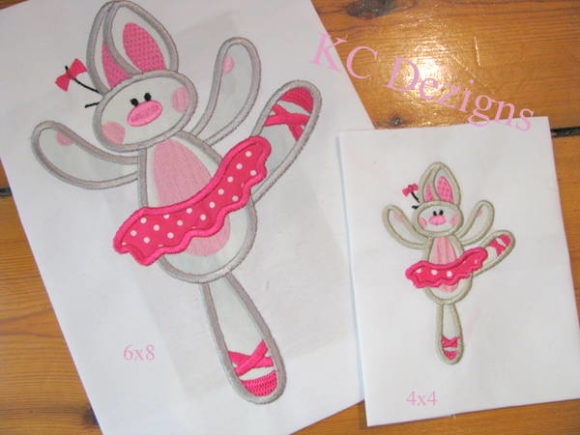
The title alone suggests a whimsical, charming aesthetic. When I review a new digital embroidery file, I look for immediate emotional connection. Bunny Ballerina 2 promises lovely features and a beautiful stitch-out, which are critical for customer engagement. In a crowded marketplace, whether physical or digital, cuteness sells. This design leans into a soft, decorative vibe that appeals to parents, grandparents, and gift-givers. It does not scream "rustic" or "industrial"; instead, it offers a premium, handcrafted feel that elevates simple textiles into cherished keepsakes.
Although the product category is listed as Boys, the ballerina theme traditionally skews feminine. However, smart designers know that gender norms in children's apparel are shifting. A pastel bunny in a tutu can work for any child who loves dance or animals. The key is in your presentation. If you are targeting a broader audience, consider how you style the final piece. For a strictly boys' market, you might pair this with neutral tones or use it on items like backpacks rather than dresses. Regardless of the target demographic, the core appeal lies in the Embroidery quality and the character's charm.
Product Versatility for the Weekend Booth
One of the biggest mistakes new sellers make is limiting a design to one type of item. Bunny Ballerina 2 is described as a machine applique design, which is a huge advantage for versatility. Applique allows for larger designs without excessive stitch density, making it faster to produce and softer to the touch. Here is how I would deploy this design across my inventory:
- Tote Bag Design: A large-scale version on a canvas tote creates an instant statement piece. Parents love durable bags with cute characters for daycare or library trips.
- Apron Embroidery: Children’s aprons are high-margin items. The applique fabric adds texture and dimension, making the product feel more expensive than a standard printed apron.
- Tea Towel Embroidery: Kitchen linens are impulse buys. Ensure the design is scaled correctly so it does not overwhelm the towel’s border.
- Embroidered Patch: Create iron-on patches using twill backing. These are excellent low-price-point items that allow customers to customize their own jackets or bags.
- Caps and Hats: Be cautious here. Curved surfaces require careful hooping. If the design is too wide, it may distort on a standard cap. Test thoroughly before committing to batch production.
For Etsy seller accounts, this design also works well for printable mockups. High-quality images of the finished product can drive digital sales if you decide to sell the file itself, provided you have the correct commercial licensing.
Production Practicality and Batch Efficiency
Time is money at a craft fair. A design that takes forty minutes to stitch is less profitable than one that takes fifteen, unless you can charge a premium price. Since Bunny Ballerina 2 is an applique design, it likely involves a placement stitch, cutting the fabric, and then a tack-down stitch. This process is generally faster than dense satin stitch fills. However, you must factor in the time spent trimming the applique fabric.
To maximize efficiency, I recommend creating a assembly line. Hoop all your stabilizers and base fabrics first. Run the placement stitches for ten items, then cut all ten pieces of applique fabric. Return to the machine to tack them down. This method reduces the mental load of switching tasks and keeps your workflow smooth. As a small shop product, consistency is key. Every bunny should look identical, with clean edges and no stray threads.
Technical Considerations for Quality Control
Before you list this as a commercial embroidery item, you must address several technical factors. The description states it will stitch out beautifully, but "beautifully" is subjective. You need to verify the stitch density. If the density is too high on lightweight fabric, you will get puckering. If it is too low, the backing will show through. Always test on scrap fabric that matches your final product material.
Pay close attention to thread colors. Applique designs rely heavily on the contrast between the thread and the fabric patch. Choose thread colors that complement the applique fabric rather than clash with it. For example, if the bunny is white, use a slightly off-white or light gray thread to define the edges without creating a harsh outline.
Another critical element is the stabilizer. For tote bags and aprons, a cut-away stabilizer provides long-term durability. For tea towels, a tear-away might suffice, but ensure it does not leave residue. On textured towels, the design may lose clarity if the pile is too high. In such cases, consider using a water-soluble topping to keep the stitches sitting on top of the fibers.
Marketing and Customer Engagement
How does Bunny Ballerina 2 affect your brand? It signals attention to detail and a love for whimsical, high-quality crafts. When customers see a well-executed applique, they perceive higher value. They are not just buying a towel; they are buying a piece of art. Use this perception to justify higher price points.
In your booth display, group items featuring this design together. Create a "Bunny Ballerina Collection." This visual grouping draws the eye and encourages multiple purchases. A customer might come for the tote but leave with the matching patch and pillow cover. Use design assets like signage that highlights the handmade nature of the embroidery. Mention that each piece is stitched with care, using premium threads and fabrics.
For online listings, emphasize the durability of machine applique compared to printed designs. Printed images fade and crack; embroidery lasts. This is a strong selling point for items that will be washed frequently, like baby bibs or kitchen linens.
Final Designer Notes
Before you launch, check the specific details of the embroidery file. The description notes that you will need an embroidery machine, but it does not specify the hoop size or exact stitch count. You must confirm these details with the designer or software. Ensure the design fits within your machine’s maximum hoop area. If you plan to sell the finished products, verify that your purchase includes commercial usage rights. Never assume; always read the license terms.
Create at least one real mockup for your portfolio. Photograph it in natural light to show the true texture of the stitches and the fabric. Compare different fabric colors to see which makes the bunny pop the most. Remember, a successful handmade product is not just about the design; it is about the execution, the presentation, and the story you tell around it. Bunny Ballerina 2 has the potential to be a standout star in your collection if treated with the professional care it deserves.