Farm Tractor Embroidery: A Designer’s Review for Merch
As an embroidery designer who has spent years digitizing files for small business owners, I approach every new machine embroidery design with a critical eye. It is not just about whether the image looks cute on a screen; it is about how that digital embroidery file translates into a tangible, durable asset for a brand. Recently, I reviewed the Farm Tractor design, and I want to share my professional assessment of its potential for commercial use. This piece falls under the Transportation category, but its application extends far beyond agricultural businesses. It is a versatile asset for any brand looking to convey reliability, heritage, or rustic charm.
First Impressions: Visual Personality and Professionalism
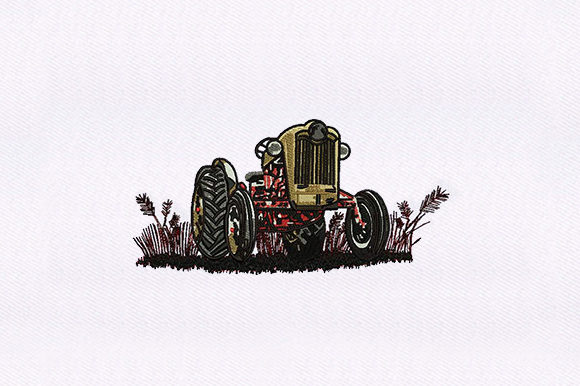
The first thing you notice about the Farm Tractor design is its structural integrity. In the world of Embroidery, details can make or break a stitch-out. This design appears to balance complexity with clarity. It does not feel overly decorative or frivolous; instead, it projects a sense of sturdy professionalism. For a small business owner, this visual personality is crucial. Whether you are running a boutique coffee shop, a local florist, or a handmade goods store, the imagery you choose speaks volumes before a customer reads a single word.
The aesthetic leans towards the classic and reliable. It feels grounded. When I visualize this stitched out, I see a design that communicates hard work and authenticity. This is vital for brands that want to distance themselves from mass-produced, generic aesthetics. The Farm Tractor offers a narrative of craftsmanship, which aligns perfectly with the values of many modern consumers who prioritize handmade product quality and ethical sourcing.
Real-World Applications for Small Business Merch
Let us move beyond theory and discuss where this design actually performs in a commercial setting. The versatility of the Farm Tractor allows it to function across various design assets for your business.
- Embroidered Patches: This is perhaps the strongest use case. A well-digitized tractor design makes for an excellent iron-on or sew-on patch. You can sell these as standalone products or use them to upgrade plain denim jackets and canvas bags.
- Staff Uniforms and Aprons: For cafes, bakeries, or farm-to-table restaurants, placing this design on the chest pocket of an apron embroidery project adds a touch of thematic consistency. It reinforces the brand story without overwhelming the garment.
- Cap Embroidery: Front-panel caps are a staple of promotional merchandise. The compact nature of a tractor silhouette works well here, provided the digitization handles the curve of the cap correctly.
- Tote Bag Design: Canvas totes are popular for eco-friendly branding. The rugged look of a tractor complements the natural texture of cotton canvas, creating a cohesive tote bag design that customers will actually want to reuse.
For Etsy sellers and crafters, this design can be the centerpiece of a seasonal collection. Think about autumn harvest themes, Father’s Day gifts, or rural lifestyle branding. The key is to position the Farm Tractor not just as a picture of a vehicle, but as a symbol of the lifestyle your brand represents.
Technical Considerations and Production Notes
While the visual appeal is strong, we must address the technical realities of production. The product description states that this is a high-quality embroidery for your next sewing project and that it will look great on any fabric. However, as a professional, I must advise caution. "Any fabric" is a broad claim. Here is what you need to verify before running a large batch of custom apparel.
First, check the stitch density. High-density designs can cause puckering on lightweight fabrics like thin t-shirts or silk blends. If you plan to use this on delicate materials, you must test it extensively. Conversely, on heavy denim or canvas, the density might need to be sufficient to prevent the background fabric from showing through.
Second, consider the hoop size and scaling. If you intend to use this as a small logo accent on a polo shirt collar or a tiny label, ensure the details do not merge together when scaled down. Complex outlines can become blobs if the design is reduced too much. Always create a printable mockup at the actual size to inspect the spacing between elements.
Third, pay attention to thread colors and contrast. A tractor design often relies on distinct sections to define the wheels, body, and cabin. On dark uniforms, you may need to add an underlay or choose lighter thread colors to maintain visibility. Test the design in black and white first to ensure the shape remains recognizable without color reliance.
Enhancing Brand Identity and Customer Trust
Why does the choice of a specific embroidery file matter for brand identity? Consistency builds trust. When a customer sees the same high-quality Farm Tractor emblem on your website, your packaging, and your staff uniforms, it creates a unified professional image. It signals that you pay attention to detail.
In the context of small business merch, this design can elevate the perceived value of your products. A simple tote bag becomes a collector’s item when adorned with a unique, well-executed embroidered motif. It transforms a commodity into a branded experience. For local businesses, this fosters community pride. Wearing a cap with a locally relevant or thematically appropriate design turns your customers into walking billboards.
Final Verdict and Practical Advice
The Farm Tractor design holds significant promise for businesses in the Transportation sector and beyond. It is robust, thematic, and adaptable. However, success lies in the execution. Before you commit to a large order of commercial embroidery, take these steps:
- Verify Specifications: The description mentions it is a machine embroidery design but does not list exact stitch counts or file formats. Confirm compatibility with your specific machine software (PES, DST, JEF, etc.) before purchase.
- Test on Real Fabric: Do not rely solely on digital previews. Stitch out a sample on the exact material you plan to use for your finished product.
- Use Proper Stabilizer: Match your stabilizer to your fabric weight. A cut-away stabilizer might be necessary for stretchy fabrics to prevent distortion of the tractor’s geometric lines.
- Check Licensing: Ensure the license terms allow for the number of physical items you intend to produce. Some digital files have limits on commercial sales volume.
In conclusion, the Farm Tractor is more than just a decorative element; it is a strategic tool for brand storytelling. When used thoughtfully, it can enhance your brand identity, improve customer engagement, and add tangible value to your merchandise line. Treat it with the professional rigor it deserves, and it will serve your business well.