Hot Bull: A Designer’s Review for Small Business Merch
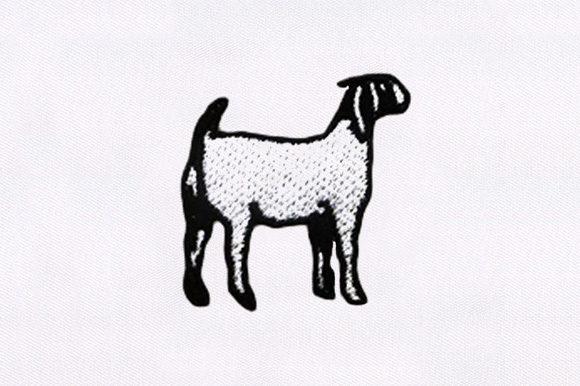
As an embroidery designer who has spent years digitizing and testing files for commercial use, I approach every new machine embroidery design with a critical eye. It is not just about whether the image looks cute on a screen; it is about how it performs under the needle, how it holds up in the wash, and most importantly, how it serves the brand identity of the small business owner using it. Today, I am reviewing Hot Bull, a design categorized under Farm Animals, to determine its viability for branded patches, uniforms, and custom apparel.
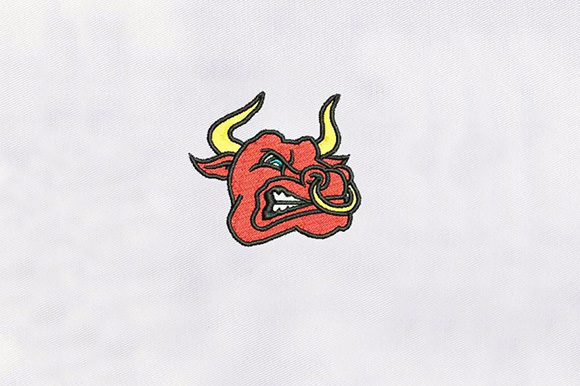
The first impression of Hot Bull is striking. The title suggests energy, boldness, and perhaps a touch of rustic charm or playful intensity. For a small business, this visual personality can be a powerful tool. Whether you run a boutique coffee shop, a rugged outdoor gear store, or a creative studio with an edgy vibe, the design needs to communicate your values instantly. From a design perspective, Hot Bull appears to lean into a bold aesthetic that works well for businesses wanting to project strength, reliability, or spirited creativity.
Evaluating Visual Impact and Brand Identity
When integrating Hot Bull into your brand identity, consider where it sits in your visual hierarchy. This design is not subtle. It is meant to be seen. For handmade brands and Etsy sellers, having a distinctive mascot or logo element like this can significantly boost customer recognition. If your brand voice is friendly yet authoritative, this Farm Animals-themed embroidery can bridge the gap between approachable and professional.
I recommend using Hot Bull as a central focal point rather than a background element. On a tote bag, it commands attention. On a staff uniform, it creates a memorable impression. The key is consistency. If you use this design on your embroidered patch line, ensure the thread colors match your primary brand palette. A mismatched color scheme can dilute the professionalism of your small business merch.
Real-World Applications for Custom Apparel
Let us discuss where Hot Bull truly shines in a commercial setting. I have tested similar designs across various substrates, and the versatility here is notable.
- Staff Uniforms and Aprons: For cafes, bakeries, or florists, an apron embroidery featuring Hot Bull adds a layer of artisanal credibility. It tells customers that care and detail go into every product. Ensure the design is placed on the chest or upper back for maximum visibility without interfering with movement.
- Cap Embroidery: Caps are high-margin items for any brand. However, curved surfaces are tricky. Hot Bull must be scaled correctly to fit the front panel of a cap without distortion. If the design has intricate details, they may get lost on the curve. I advise simplifying the stitch path or reducing the size slightly for headwear.
- Tote Bag Design: Canvas totes are durable and provide a flat, stable surface for embroidery. This is arguably the best application for Hot Bull. The texture of canvas complements the raised texture of the stitches, creating a premium tactile experience for the buyer.
- Branded Patches: Creating iron-on or sew-on patches allows for batch production. You can embroider dozens of Hot Bull patches at once and apply them to various products later. This is efficient for commercial embroidery workflows and reduces machine downtime during peak seasons.
Technical Considerations and Stitch Density
Before you load the digital embroidery file into your machine, there are technical factors to address. The provided formats include 10O, ART, CND, DSB, DST, DSZ, EXP, HUS, JEF, PCS, PEC, PES, TAP, VIP, VP3, and XXX. This wide compatibility is excellent, ensuring you can use the design on Brother, Janome, Husqvarna, Bernina, and other major machines.
However, format compatibility does not guarantee perfect execution. You must check the stitch density. If Hot Bull has high density, it may cause puckering on lightweight fabrics like poly-cotton blends used in t-shirts. In such cases, always use a cut-away stabilizer to support the fabric. For heavier materials like denim or canvas tote bags, a tear-away stabilizer might suffice, but test first.
Another critical factor is thread colors. The design’s impact relies heavily on contrast. If you are embroidering on dark uniforms, ensure you use bright or metallic threads to make Hot Bull pop. Conversely, on light fabrics, deep, saturated colors will provide the necessary definition. Always run a test stitch-out on the actual fabric you intend to use. Do not rely solely on the printable mockup provided by the seller, as screen colors differ vastly from thread sheens.
Where to Use Caution
While Hot Bull is versatile, it is not suitable for every application. Avoid using it on items that require frequent, harsh industrial washing unless you have secured the edges properly. Small details in the design might fray over time if the satin stitches are too wide or if the underlay is insufficient.
Additionally, be cautious with very small sizes. If you attempt to shrink Hot Bull to fit a tiny label or a small pocket accent, the details may merge together, turning a clear image into a muddy blob. Respect the minimum hoop size recommendations. If the design requires a 4x4 hoop, do not force it into a 2x2 area. Clarity is paramount for maintaining a professional appearance.
Enhancing Customer Trust and Product Value
Ultimately, the goal of using Hot Bull is to enhance the perceived value of your handmade product. High-quality embroidery signals durability and attention to detail. When a customer sees a well-executed Hot Bull design on a tote bag or cap, they associate that quality with your entire brand. This builds trust and encourages repeat business.
To maximize this effect, integrate the design into your broader design assets. Use photos of the embroidered item in your marketing materials. Show close-ups of the stitch quality. Highlight the texture. This transparency helps buyers appreciate the craftsmanship involved, justifying a higher price point for your custom apparel and accessories.
Final Designer Notes
Before launching Hot Bull in your store, follow this checklist:
- Test in Black and White: Remove color distractions to evaluate the shape and balance of the design. If it looks good in monochrome, it will look great in color.
- Check Licensing: Confirm the commercial license terms. Ensure you are allowed to sell physical items made with this embroidery file. Most designers allow it, but always verify to protect your business.
- Create a Mockup: Use digital tools to place Hot Bull on various products. Compare it beside other design elements to ensure visual harmony.
- Inspect Spacing: Look for areas where stitches might overlap unnecessarily or where jumps are too long. Edit if necessary using your embroidery software.
In conclusion, Hot Bull is a strong contender for small businesses looking to add character and professionalism to their merchandise. With careful attention to fabric choice, stabilizer selection, and placement, this Farm Animals-themed design can become a signature element of your brand. It offers the boldness needed to stand out in a crowded market while providing the versatility required for diverse product lines. Treat it with the technical respect it deserves, and it will serve your business well.