Review: Yellow Duckling Baby Bib for Small Hoops
As an embroidery designer who has spent years digitizing and testing files for commercial use, I approach every new machine embroidery design with a critical eye. It is not enough for a design to simply look cute on a screen; it must perform under the needle, withstand washing, and serve a strategic purpose for the business owner. Today, I am reviewing the Yellow Duckling Baby Bib for Small Hoops, a file positioned within the Nursery category that promises charm and practicality for infants aged 4-12 months.
While the product description notes that this baby bib was digitized for ladies, my focus here is strictly on its viability as a versatile asset for small business merchandise. Whether you run an Etsy shop, a local boutique, or a creative studio, understanding how a single digital embroidery file can translate into various branded products is key to maximizing your return on investment.
First Impressions and Visual Personality
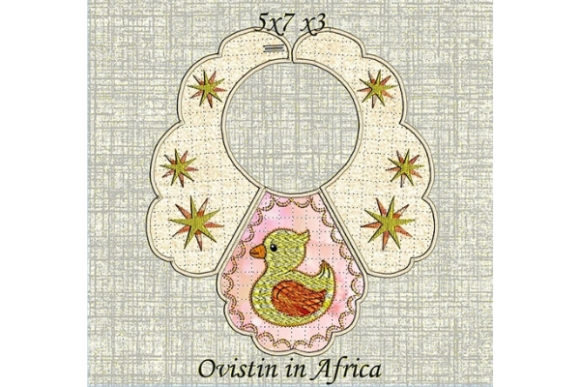
The immediate impression of the Yellow Duckling Baby Bib for Small Hoops is one of playful warmth. The subject matter—a duckling—inherently carries connotations of innocence, softness, and joy. For brands operating in the nursery space, this visual personality is a direct match. However, from a professional standpoint, I look beyond the subject to the execution. Does it feel premium or amateur? Is it bold enough to be seen from a distance, or is it too delicate?
This design leans towards a friendly, handmade aesthetic. It avoids the overly complex shading that often causes thread breaks in small hoops, suggesting a cleaner, more modern approach to traditional nursery motifs. For a small business, this "clean" look is vital. It signals professionalism and attention to detail, which builds customer trust. When a client sees a crisp, well-defined duckling on a product, they perceive higher value in the finished product.
Strategic Business Applications Beyond the Bib
While the title specifies a baby bib, limiting this embroidery file to just one product type would be a missed opportunity for smart merchandising. In my experience, versatile designs are the backbone of profitable small business merch. Here is how I envision this design working across different applications:
- Embroidered Patches: This is perhaps the most lucrative application. By stitching the duckling onto twill or felt and cutting it out, you create a durable embroided patch. These can be sold individually, attached to denim jackets, or used as branding elements on packaging.
- Custom Apparel and Uniforms: Imagine a family-owned café or a pet grooming salon using this duckling as a chest logo accent. It adds a touch of whimsy to staff uniforms without sacrificing professionalism. It works exceptionally well on aprons, where the apron embroidery serves as both branding and decoration.
- Cap Embroidery: The small hoop requirement makes this ideal for cap embroidery. Placed on the side panel or slightly off-center on the front, it creates a subtle, trendy look that appeals to younger demographics.
- Tote Bag Design: A single duckling centered on a canvas tote creates an instant bestseller. The simplicity of the design ensures it does not get lost in the fabric texture of heavier materials like canvas or denim.
For Etsy sellers and crafters, this versatility allows you to create a cohesive collection. You can offer the bib, matching burp cloths, and even adult-sized tote bags featuring the same motif, creating a strong brand identity through visual consistency.
Technical Considerations for Production
Before running this design on your production machine, there are several technical factors to consider. The product description mentions tutorials are included, which is a significant benefit for those less familiar with specific file adjustments. However, as a designer, I advise checking the following details before committing to a large batch:
- Hoop Size and Fit: Ensure the design fits comfortably within your smallest hoop. Crowding a design near the edge of the hoop can lead to distortion. Confirm the exact dimensions provided in the file package.
- Stitch Density: Check the stitch density of the yellow fill areas. If the density is too high, it may cause puckering on lightweight fabrics like cotton bibs. If it is too low, the backing fabric might show through. Always test on a scrap piece of the actual material you intend to use.
- Stabilizer Selection: For a bib that will undergo frequent washing and drooling, a cut-away stabilizer is often recommended for durability, though a high-quality tear-away might suffice for decorative patches. The right stabilizer ensures the design remains flat and professional over time.
- Thread Colors: The vibrancy of the yellow thread is crucial. Test different brands of rayon or polyester thread to see which offers the best sheen and colorfastness. Contrast is key; ensure the outline thread color stands out against the fill to maintain definition.
It is also important to note that the description states the bib was digitized for ladies. This phrasing is unusual for a baby item and may refer to the target market of the buyer (women who sew) rather than the end-user. Regardless, always verify the commercial licensing terms. Ensure you have the right to use this design assets for selling physical goods, especially if you plan to scale your commercial embroidery operations.
Navigating Potential Challenges
While the Yellow Duckling Baby Bib for Small Hoops is charming, there are scenarios where caution is needed. Small, detailed outlines can sometimes get lost on textured fabrics like terry cloth or fleece. If you are embroidering directly onto a thick towel-like bib, consider using a water-soluble topping to keep the stitches from sinking into the pile.
Additionally, be mindful of dark uniforms. A yellow duckling may not have sufficient contrast on navy or black apparel unless you add a white underlay or border. Creating a printable mockup or a digital composite can help you visualize these contrast issues before you waste thread and time.
Enhancing Brand Value Through Detail
Ultimately, the success of this design in your business depends on how well it aligns with your brand story. For a bakery, it could represent freshness and care. For a children’s boutique, it represents quality and playfulness. By using this design consistently across various touchpoints—from the custom apparel your staff wears to the thank-you cards included in orders—you reinforce recognition.
Buyers engage with brands that feel human and thoughtful. A well-executed embroidered duckling says, "We care about the details." It transforms a simple commodity into a handmade product with soul. As you integrate this embroidery file into your workflow, remember to test, refine, and present it with pride. The Yellow Duckling Baby Bib for Small Hoops is not just a pattern; it is a tool for building connection and driving sales in the competitive world of small business retail.