Air Conditioner Lineart: A Designer’s Practical Review
As an embroidery designer who has spent years digitizing and testing files for real-world application, I approach every new machine embroidery design with a critical eye. It is not enough for a graphic to look cute on a screen; it must translate flawlessly into thread, withstand the tension of the needle, and appeal to the end consumer. Recently, I evaluated Air Conditioner Lineart, a minimalist design categorized under House and Embroidery themes. My goal was to determine if this asset holds up in commercial settings, from Etsy listings to boutique merchandise.
First Impressions and Visual Personality
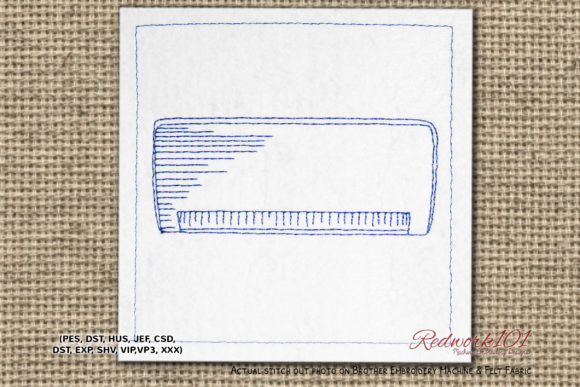
The immediate appeal of Air Conditioner Lineart lies in its simplicity. In a market saturated with overly complex, dense designs, this piece offers a breath of fresh air—quite literally, given the subject matter. The line art style suggests a modern, clean aesthetic that fits seamlessly into contemporary home decor or casual apparel. The mood is functional yet playful, avoiding the clutter that often plagues digital embroidery files.
What stands out most is the versatility of the layout. The design does not rely on heavy fill stitches or intricate satin work, which makes it inherently safer for various fabric types. For a designer, this means fewer headaches regarding puckering or distortion. The visual personality is understated, allowing the craftsmanship of the stitching to shine without the design itself screaming for attention. It feels like a thoughtful accent rather than a loud statement, which is exactly what many modern buyers are seeking in personalized gifts and custom apparel.
Real-World Application: From Tote Bags to Sweatshirts
To truly test the viability of any embroidery file, I mentally place it on specific products. I imagined using Air Conditioner Lineart on a canvas tote bag. The clean lines would contrast beautifully against the textured weave of the cotton, creating a chic, eco-friendly vibe perfect for summer markets or bookstore promotions. Because the design is likely composed of running stitches or light fills, it remains flexible, ensuring the bag does not become stiff or cumbersome.
Another strong candidate is sweatshirt embroidery. Placing this design on the left chest of a heavyweight hoodie creates a subtle, branded look that appeals to younger demographics. Unlike large back prints, this smaller, refined motif adds value without overwhelming the garment. It also works exceptionally well for baby embroidery projects. The soft, simple lines are gentle and appropriate for nursery decor or infant clothing, where comfort and safety are paramount. Parents often prefer minimalist designs that do not feel too busy or aggressive, making this a smart choice for small shop products targeting new families.
Navigating Technical Constraints and Fabric Choices
While the design is forgiving, it is not without its technical considerations. The product description notes that "The Box Stitch shown in the picture is optional" and mentions that the outer box color may differ. This is a crucial detail for any craft business owner. If you choose to include the box, you must ensure high contrast between the box thread and the background fabric. On dark fabrics, a light-colored box can pop nicely, but on medium tones, it might get lost. Skipping the box entirely, as suggested, often results in a cleaner, more integrated look, especially on textured fabrics like terry cloth towels or denim.
Stitch density is another factor. Since this is a line art style, it likely uses fewer stitches than a full-fill design. This is advantageous for stretchy fabrics, such as those used in caps or fitted t-shirts, as it reduces the risk of pulling or warping. However, when working on curved surfaces like baseball caps, you must still use a proper stabilizer. Even lightweight designs can distort if the hoop tension is not balanced. I recommend testing the design on scrap fabric first, particularly if you are using a new type of material. Check how the threads sit on the surface; if the gaps between lines are too wide on thin fabric, you might see the backing material through the stitches, which compromises the professionalism of the finished product.
Commercial Viability and Brand Consistency
For Etsy sellers and digital product sellers, the commercial potential of Air Conditioner Lineart is significant. Minimalist home-themed designs are evergreen sellers. They fit into multiple niches: housewarming gifts, apartment warming presents, or even humorous takes on staying cool during heatwaves. The design’s simplicity allows for quick production times, which is essential for maintaining healthy margins in a craft business. You can stitch these out rapidly on multi-needle machines or even single-needle home units without tying up your equipment for hours.
Furthermore, this design supports brand consistency. If your shop focuses on modern, clean aesthetics, adding this to your lineup reinforces that identity. It pairs well with other line art elements, allowing you to create cohesive collections. For example, you could offer a set featuring various household appliances in the same style, creating a recognizable series that encourages repeat purchases. When creating printable mockups or digital previews, ensure you show the design on both light and dark backgrounds to demonstrate its adaptability to potential buyers.
Practical Notes for the Embroiderer
Before launching this design into your inventory or using it for a client project, consider these practical steps:
- Test on Scrap Fabric: Always run a test stitch-out on the actual material you plan to use. This reveals any issues with thread breaks or registration.
- Check Thread Contrast: Since the outer box is optional and may vary in color, decide early whether to include it. If you skip it, ensure the main lines have enough contrast against the fabric.
- Review Stabilizer Choice: Even for light designs, use a cut-away stabilizer for stretchy knits and tear-away for stable wovens to ensure longevity after washing.
- Verify Licensing: The description does not specify license terms. Always confirm whether the digital embroidery file allows for commercial use of finished items before selling them.
- Inspect Small Details: Zoom in on your machine’s preview screen. Ensure that any tiny corners or endpoints are secure to prevent unraveling over time.
In conclusion, Air Conditioner Lineart is a solid addition to any designer’s library. It balances aesthetic appeal with technical ease, making it suitable for a wide range of applications from custom apparel to home decor. By paying attention to fabric choice and stitch placement, you can leverage this design to create high-quality, professional-looking products that resonate with today’s consumers. It is a reminder that sometimes, less is indeed more in the world of embroidery.