Roaring Bear Face: A Designer’s Practical Review
When I first pulled up the Roaring Bear Face design on my screen, my immediate reaction was one of cautious optimism. As an experienced embroidery designer and reviewer, I have seen countless animal motifs that look stunning in digital previews but fall apart under the needle. The key to a successful machine embroidery design is not just visual appeal, but structural integrity. This piece, categorized under Wild Animals, promises a bold statement, but does it deliver in a real-world embroidery project? Let’s break down how this design performs when moved from the computer to the hoop.
First Impressions and Visual Personality
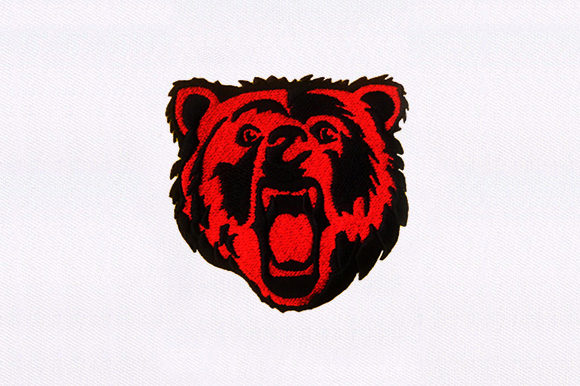
The mood of the Roaring Bear Face is undeniably fierce yet approachable. It captures a moment of raw energy, which can be tricky to translate into thread without losing definition. The layout relies heavily on strong outlines and strategic fill areas. For a designer, this is a good sign. It suggests that the digitizer understood the limitations of thread tension and fabric pull. The visual personality is rugged, making it a natural fit for outdoor-themed gear, rustic home decor, or bold streetwear. It does not feel delicate; it feels substantial. This is crucial because customers often associate heavy, dense designs with higher quality and durability.
Real-World Application: The Tote Bag Test
To truly evaluate this design, I imagined applying it to a custom canvas tote bag. This is a common request for Etsy sellers and craft business owners. Canvas is a sturdy fabric, but it has a visible weave. A design with too much fine detail can get lost or cause puckering. The Roaring Bear Face holds up well here. The thicker lines of the bear’s fur and facial features provide enough coverage to stand out against the textured background.
If you are creating a handmade product line, this design works exceptionally well for items that need to make a quick visual impact. Imagine it on a denim jacket or a heavy cotton sweatshirt. The roar adds character, turning a basic garment into a personalized gift that feels unique. For small shop products, this kind of distinct imagery helps with brand recognition. It is not just another generic bear; it has attitude. That attitude sells.
Stitching Performance and Technical Considerations
Let’s talk about the technical side. While the specific stitch count is not provided in the product details, the visual density suggests a moderate to high use of fill stitch work. This is typical for animal fur textures. However, high-density areas require careful handling. If you are stitching this on a sweatshirt embroidery project, you must use a cut-away stabilizer. The weight of the thread needs support to prevent the fabric from distorting over time.
The design includes a variety of file formats, including DST, PES, JEF, and EXP, among others. This wide compatibility is a major plus for commercial embroidery shops that may run different machine brands. Whether you are using a Brother, Janome, or Bernina, having access to the correct embroidery file format ensures smooth communication between your software and your machine. Always double-check that the file you download matches your machine’s native format to avoid conversion errors that can alter stitch paths.
Where to Use Caution
Not every surface is suitable for this design. Because of its bold nature and likely stitch density, you should avoid using it on very thin or stretchy fabrics like lightweight rayon or sheer chiffon. The tension required to keep the Roaring Bear Face crisp could easily tear delicate materials. Similarly, be cautious with curved surfaces like caps. While it can work on a structured cap, the width of the bear’s face might exceed the usable area of a standard cap hoop. Always measure your hoop size against the design dimensions before starting.
Another area of concern is dark fabric. If you are stitching on black or navy, ensure your thread colors have high contrast. A lack of contrast can mute the ferocity of the roar, making the design look muddy. Test your thread colors on scrap fabric first. A simple black-and-white mockup can also reveal if the details remain clear without color differentiation.
Enhancing Product Value and Customer Trust
For digital product sellers and those selling finished goods, the quality of the stitch-out directly impacts customer trust. A clean, professional-looking Roaring Bear Face signals professionalism. It shows that you care about the finish. When customers see consistent, high-quality stitching, they are more likely to return for future purchases. This design contributes to that perception of quality. It looks intentional, not accidental.
In the context of holiday embroidery or seasonal gifts, this design offers versatility. It is not tied to a specific holiday, which means it has a longer shelf life in your inventory. You can market it as part of a "wilderness" collection or a "nature lover" series. This flexibility is valuable for creative entrepreneurs who need to maximize the utility of their design assets.
Practical Notes for Designers and Makers
Before you commit to a large production run or a client order, follow these practical steps:
- Test on Scrap Fabric: Always stitch a test sample on the same type of fabric you plan to use for the final product. This reveals any tension issues or thread breaks.
- Check Stabilizer Choice: Match your stabilizer to the fabric weight. Heavy fabrics need cut-away; lighter fabrics might handle tear-away, but only if the design density allows it.
- Verify Licensing: If you plan to sell items featuring the Roaring Bear Face, confirm the license terms. Some digital embroidery file providers allow commercial use of finished items but restrict the resale of the digital file itself.
- Inspect Small Details: Zoom in on the eyes and nose of the bear. These are focal points. Ensure the satin stitches or running stitches in these areas are tight and clean. Loose threads here can ruin the entire look.
- Consider Hoop Size: Ensure your hoop is large enough to accommodate the full design without hitting the edges. Hitting the hoop can break needles and damage your machine.
Final Verdict
The Roaring Bear Face is a solid addition to any designer’s library. It balances artistic flair with technical practicality. It is not a delicate, subtle piece, nor does it try to be. It is bold, clear, and effective. For apparel decorators and makers looking to add a touch of wild energy to their products, this design delivers. Just remember to respect the technical requirements of dense stitching, choose your fabrics wisely, and always test before you invest. When used correctly, it elevates a simple item into a standout finished product that customers will love to wear or display.