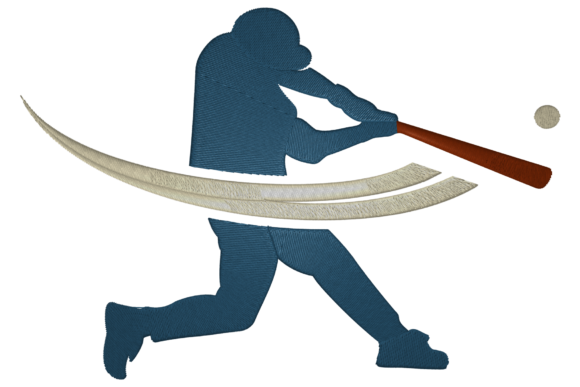
Baseball Player Embroidery Design Review for Craft Fairs
As an embroidery designer who has spent countless weekends standing behind booth tables, I know that the difference between a browser and a buyer often comes down to visual impact and perceived quality. When I first loaded the Baseball Player machine embroidery design into my software, I was looking for more than just cute aesthetics. I was evaluating its potential as a high-converting craft fair product. This digital embroidery file, digitized by hand and available in six sizes, offers a versatile solution for family-themed handmade goods. With only three colors, it promises efficiency, but does it deliver the professional finish required for a successful small shop product?
First Impressions and Visual Appeal
The immediate impression of the Baseball Player design is one of clean, classic sportiness. It does not try to be overly complex or hyper-realistic, which is a smart move for commercial embroidery. Complex designs often suffer from thread breaks and registration issues when produced in bulk. This design feels bold yet approachable, striking a balance between modern minimalism and traditional sports nostalgia. The three-color palette suggests that it will be easy to coordinate with various fabric backgrounds, a crucial factor for tote bag design and apparel customization.
For Etsy sellers and boutique makers, the simplicity of the design is a strength. It reads clearly from a distance, which is essential for catching the eye of a passerby at a crowded market. The fact that it is digitized by hand implies a level of care in stitch placement that automated conversion tools often miss. This attention to detail translates directly into the perceived value of the finished product.
Versatility Across Product Lines
One of the strongest assets of this embroidery file is its adaptability. Because it is available in six sizes, it can serve multiple roles within your product lineup. For larger items like pillow covers or sweatshirts, the design can act as a central focal point. On smaller goods, such as an embroidered patch or a fabric pouch, it serves as a charming accent. Here is how I envision this design performing across different categories:
- Tote Bags and Market Bags: The design stands out beautifully on canvas or cotton totes. A large hoop size allows the baseball player to be prominent, making the bag an instant conversation starter for sports-loving parents.
- Apron Embroidery: Placed on the bib of a kitchen apron, this design adds a playful touch. It appeals to the "Family" category, suggesting fun cooking sessions or backyard barbecues.
- Tea Towel Embroidery: Using a smaller size, this design works well on textured towels. However, careful attention must be paid to stitch density to ensure the fabric does not pucker.
- Caps and Hats: Curved surfaces are tricky. The design’s clean lines likely hold up well on caps, provided you use the correct stabilizer and avoid overly dense fill stitches that could distort the fabric.
- Embroidered Patches: Creating iron-on or sew-on patches is a lucrative niche. This design’s clear outlines make it ideal for patch production, allowing customers to customize their own jackets or bags later.
Production Efficiency and Batch Selling
For craft fair sellers, time is money. A design that requires frequent thread changes or extensive trimming slows down production. The Baseball Player design utilizes only three colors, which significantly reduces machine runtime and manual intervention. This efficiency makes it an excellent candidate for batch production. You can hoop multiple items and run them through your machine with minimal supervision, ensuring a consistent supply of inventory for your weekend booth.
Furthermore, the consistency of a hand-digitized design means that every unit looks identical. This uniformity is vital for brand consistency. When customers see a row of perfectly stitched tote bags, they trust the quality of your handmade product. It also simplifies the creation of printable mockups for your online listings, as the design behaves predictably across different fabric types.
Technical Considerations and Careful Use
While the design is robust, no embroidery file is foolproof. To ensure the best results, consider these technical notes before launching your production run:
- Stitch Density and Fabric Texture: Check the stitch density settings in your software. If the fill areas are too dense, they may cause puckering on lightweight fabrics like t-shirts. Conversely, on thick fabric like denim or canvas, ensure the needles are sharp enough to penetrate without breaking threads.
- Thread Contrast: Since the design uses three colors, test different thread combinations. High contrast threads will make the design pop on dark fabric, while tonal threads offer a more subtle, premium look. Always create at least one real mockup to verify visibility.
- Stabilizer Selection: The choice of stabilizer is critical. Use a cut-away stabilizer for stretchy fabrics like sweatshirts to prevent distortion over time. For woven fabrics like tea towels, a tear-away may suffice, but test first to ensure no residue remains.
- Small Details: If using the smallest available size, inspect the design closely. Tiny details can get lost if the stitch count is too low for the scale. Ensure that any fine lines remain distinct and do not merge into a blob of thread.
Maximizing Sales and Customer Engagement
In a craft fair setting, the Baseball Player design serves as a powerful tool for customer engagement. It taps into the emotional connection people have with sports and family activities. Displaying this design on a variety of items—such as a matching set of a cap and a tote bag—creates a cohesive look that encourages bundle purchases. It signals to the buyer that you understand their lifestyle needs.
For online sales, this design assets package allows for diverse marketing angles. You can target little league teams, father’s day gifts, or summer sports enthusiasts. The versatility of the six sizes means you can offer personalized options, such as adding a name below the player, which increases the perceived value and justifies a higher price point.
Final Designer Verdict
The Baseball Player embroidery design is a solid addition to any commercial embroidery portfolio. Its hand-digitized nature ensures quality, while the three-color scheme promotes production efficiency. It is particularly well-suited for sellers focusing on family-oriented, casual, and sporty handmade products. Before finalizing your inventory, always test the design on scrap fabric to confirm hoop size compatibility and adjust tension as needed. Verify the commercial licensing terms included with the digital files to ensure you are compliant when selling finished products. With proper execution, this design can become a staple in your booth, driving both attention and sales.