Reviewing Pride: A Bold Embroidery Design for Craft Fairs
As an embroidery designer who has spent countless weekends standing behind booths at local markets, I know that the difference between a browsing customer and a buying customer often comes down to visual impact. When I first loaded the Pride machine embroidery design into my software, my immediate reaction was one of relief. In a sea of generic florals and seasonal clichés, this piece offers something distinct: a clear, confident message wrapped in lovely-looking aesthetics. For those of us running small shop products or Etsy seller accounts, finding designs that resonate emotionally while remaining technically sound is the holy grail.
First Impressions and Visual Appeal
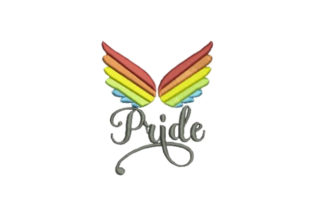
The title Pride suggests boldness, and the description confirms it. This is not a shy design. It feels modern, open, and undeniably premium. When evaluating a new digital embroidery file, I look for clarity. Does it communicate its message instantly? Yes. The design serves as a great stitch to show the world that you have an open mind, making it a perfect fit for the Awareness category without feeling preachy or overly political. It strikes a balance between decorative art and personal statement.
From a booth display perspective, this design stands out because it invites conversation. Customers walking past a table of handmade items are drawn to pieces that reflect their own values. Pride acts as a beacon for those seeking authenticity. Whether you categorize it as cute or elegant depends largely on your thread choices, but the underlying structure feels solid and well-balanced, avoiding the cluttered look that plagues many amateur designs.
Product Versatility for the Handmade Market
The true test of any craft fair product is its versatility. Can it live on multiple surfaces? I evaluated Pride across several common items found in my inventory, and here is how it performs:
- Tote Bag Design: This is arguably the strongest application. A canvas tote with Pride centered creates an instant bestseller. The design scales well, allowing it to be the focal point without overwhelming the fabric.
- Apron Embroidery: Placing this on a bib apron adds a touch of personality to kitchenware. It transforms a utilitarian item into a giftable handmade product that feels thoughtful and curated.
- Tea Towel Embroidery: Here, caution is key. Tea towels have a loose weave. If the stitch density is too high, the towel will pucker. However, if the design uses appropriate underlay and stabilizer, it can look charmingly rustic.
- Embroidered Patch: Creating iron-on patches is a fantastic way to use up scrap fabric. Pride works beautifully as a patch because the boundaries are likely clean, making it easy to cut and finish.
- Caps and Hats: Curved surfaces are tricky. If the design is wide, it may distort on a standard cap. I recommend testing this on a structured dad hat rather than a flexible beanie to maintain the integrity of the lettering or shapes.
Production Practicality and Batch Selling
For commercial embroidery professionals and creative entrepreneurs, time is money. A design must be repeatable. Pride appears to be designed for efficiency. It does not seem to rely on microscopic details that require constant thread trimming or excessive jump stitches. This makes it ideal for batch production during the busy holiday season or leading up to Pride month events.
When photographing for your Etsy listings or printable mockup assets, this design offers high contrast potential. On light fabrics, using vibrant thread colors makes the message pop. On dark fabrics, metallic or bright white threads create a striking, premium look. The visual appeal translates well through a camera lens, which is crucial for online sales where customers cannot touch the finished product.
Technical Considerations and Careful Use
While Pride is a strong contender for your next collection, no design is universal. As an experienced designer, I must highlight some practical constraints. Always check the specific stitch count and recommended hoop size provided with the digital embroidery file. These details are critical for planning your production run.
Pay close attention to stitch density. If the design features large filled areas, ensure you are using a cut-away stabilizer for stretchy fabrics like t-shirts or tote bags. For woven fabrics like linen tea towels, a tear-away might suffice, but test first. Tiny details can get lost if the thread tension is off, so always run a test stitch on scrap fabric before committing to your final material.
Additionally, consider the fabric texture. Highly textured materials, such as waffle-weave towels or thick wool coats, can obscure fine lines. If Pride includes thin lettering or delicate outlines, avoid using it on bulky textures where the needle may skip or the thread may sink into the pile.
Enhancing Brand Consistency and Buyer Engagement
Using Pride in your lineup does more than just add another item to sell; it strengthens your brand identity. It signals to your audience that you are an open-minded creator who values self-expression. This emotional connection drives buyer engagement. Customers are not just buying an embroidered pouch; they are buying a symbol of confidence.
To maximize this effect, pair the design with complementary products. Create a bundle featuring a tote bag and a matching embroidered patch. Use consistent thread colors across your booth to create a cohesive visual story. When customers see that you have thoughtfully curated your design assets, they perceive higher value in your finished product.
Final Designer Notes for Success
Before you launch Pride in your shop, follow these essential steps:
- Test on Scrap Fabric: Never skip this step. Check for puckering, thread breaks, and color blending.
- Check Thread Contrast: Ensure your thread colors stand out against your chosen fabric background. High contrast equals higher visibility at craft fairs.
- Confirm Commercial Licensing: Verify that the license terms for this digital embroidery file allow for the sale of finished physical goods. Most designers do, but always read the fine print.
- Create Real Mockups: While printable mockups are useful for planning, photographing actual stitched samples builds trust with online buyers.
- Review Spacing: Ensure there is enough margin around the design for your hoop and for any subsequent hemming or sewing steps.
In conclusion, Pride is a versatile, emotionally resonant addition to any embroidery business. It bridges the gap between aesthetic beauty and meaningful messaging. By paying attention to technical details like stabilizer choice and fabric texture, you can turn this design into a standout craft fair product that sells itself. Embrace the opportunity to create items that celebrate individuality, and watch your handmade market presence grow.