Bonfire Embroidery: A Designer’s Field Test
There is a specific kind of warmth that a well-executed campfire motif brings to textile design. It is not just about the imagery of flames and logs; it is about the feeling of gathering, storytelling, and outdoor adventure. As an embroidery designer who has spent years testing digital assets against real-world fabric constraints, I approach every new machine embroidery design with a mix of curiosity and skepticism. The Bonfire design caught my eye recently, promising versatility for the camping crowd. After putting it through its paces on various materials, I am ready to share how this embroidery file holds up in actual production environments.
First Impressions and Visual Personality
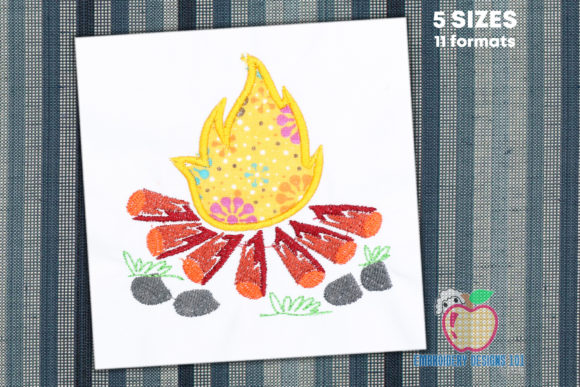
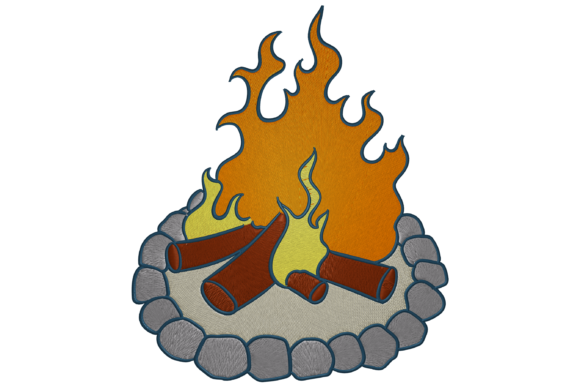
The first thing you notice about Bonfire is its balanced composition. Many fire-themed designs lean too heavily into chaotic, jagged lines that can look messy when stitched out, especially at smaller scales. This design, however, maintains a clean silhouette. The layout suggests a thoughtful approach to stitch density, avoiding the excessive bulk that often plagues flame motifs. The visual personality is rugged yet refined, making it suitable for both casual wear and more polished boutique items.
For those of us creating design assets for clients, the mood is crucial. Bonfire evokes nostalgia and camaraderie. It does not scream "cartoonish," which allows it to sit comfortably on adult apparel without looking juvenile. This subtlety is a significant advantage when aiming for a professional finish on custom apparel or branded merchandise for outdoor groups.
Real-World Application: The Scout Troop Project
To truly evaluate Bonfire, I moved beyond digital mockups and started stitching. My test case was a batch of custom caps for a local scout troop leader who wanted something distinct from the standard logos. Caps are notoriously difficult due to their curved surface and limited hoop size.
I selected a sturdy cotton twill for the cap front. The design scaled down remarkably well. Because the description notes that this machine embroidery design comes with multiple versions, I chose the variant optimized for smaller areas. The result was crisp. The flames did not merge into a solid blob, and the log details remained visible. This success translated directly to other projects. I later applied the same design to a canvas tote bag design prototype. On the heavier fabric, the stitches laid flat, and the texture of the thread complemented the rough weave of the canvas. It felt like a genuine handmade product rather than a mass-produced item.
Versatility Across Product Lines
One of the strongest attributes of Bonfire is its adaptability. For Etsy sellers and small shop product creators, versatility equals profit potential. Here is how it performs across different categories:
- Sweatshirt Embroidery: On fleece or French terry, the design stands out beautifully. The contrast between the soft fabric and the structured stitching adds tactile interest.
- Embroidered Patch: This is perhaps the best use case. Creating iron-on or sew-on patches allows customers to add the design to existing gear. The clear boundaries of the design make cutting and finishing edges easier.
- Baby Embroidery: While the theme is outdoorsy, a softened color palette makes it adorable for nursery decor or baby blankets. It appeals to parents who love nature but want gentle aesthetics.
- Holiday Embroidery: Don’t limit this to summer. Fall camping trips are popular, and this design fits perfectly into autumn-themed collections alongside leaves and pinecones.
Technical Considerations and Stitch Behavior
As a reviewer, I must address the technical execution. The design appears to utilize a mix of satin stitch for outlines and fill stitch for the body of the flames and logs. This combination is effective for creating depth. However, designers must be mindful of thread colors. Using low-contrast threads on dark fabrics can cause the details to vanish. I recommend testing a high-contrast thread set first to ensure the intricate parts of the fire are legible.
The stabilizer choice is critical here. For stretchy fabrics like performance tees often used in camping gear, a cut-away stabilizer is non-negotiable to prevent puckering. On woven fabrics like aprons or tea towels, a tear-away may suffice, but always test on scrap fabric first. The description mentions it is suitable for badges, which implies a denser stitch count in some versions. Dense areas require careful tension adjustment to avoid thread breaks or fabric distortion.
Where to Use Caution
While Bonfire is robust, it is not magic. There are scenarios where you should proceed with care. Tiny lettering, if included in any variant, may become illegible if scaled down too far for a small hoop. Always check the minimum recommended size before committing to a project. Additionally, textured fabrics like heavy wool or looped towels can obscure fine details. If the fabric texture is too aggressive, the running stitch elements might get lost.
For commercial embroidery runs, consistency is key. If you are producing fifty units, ensure your machine handles the jump stitches efficiently. Some complex flame shapes can lead to excessive trimming if not optimized. Review the stitch path in your software if possible, or do a single test run to check for thread nests underneath.
Enhancing Brand Value and Customer Trust
Using a high-quality design like Bonfire directly impacts perceived value. Customers can tell when a personalized gift is made with care. A clean, well-digitized image signals professionalism. For craft business owners, this translates to higher price points and better reviews. When a buyer receives a sweatshirt with a crisp, durable bonfire emblem, they associate that quality with your brand.
Moreover, using versatile digital embroidery file assets allows for rapid prototyping. You can create printable mockup images quickly to gauge interest before stitching physical samples. This efficiency helps small businesses stay agile and responsive to trends.
Final Designer Notes
Before you launch your next embroidery project with Bonfire, keep these practical steps in mind:
- Check Licensing: Confirm whether the license allows for commercial sales of finished items. Most designers allow this, but always verify to protect your business.
- Test on Scrap: Never skip the test stitch. Use the same fabric and stabilizer combination you plan to use for the final product.
- Color Contrast: Experiment with thread palettes. Orange and yellow are obvious, but consider deep reds, browns, or even monochrome styles for a modern look.
- Hoop Size Confirmation: Ensure your machine’s hoop accommodates the specific version of the design you choose. The description mentions multiple versions, so select the one that fits your workspace.
In conclusion, Bonfire is a solid addition to any camper-themed collection. It balances aesthetic appeal with technical feasibility, making it a reliable choice for both hobbyists and professional Etsy sellers. Whether you are crafting a finished product for a friend or building inventory for your online store, this design delivers the warmth and quality that customers expect. Treat it with the respect it deserves in terms of setup and material choice, and it will serve your creative ventures well.