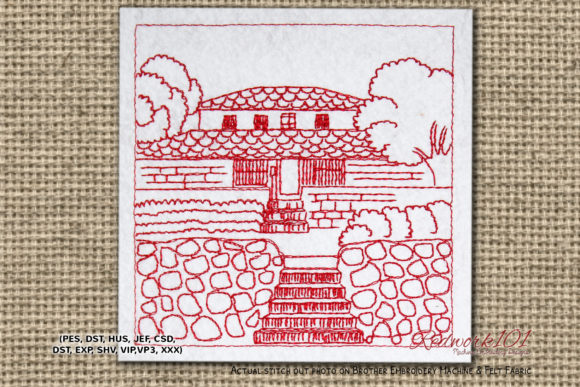
Indian House Village Redwork: A Designer’s Review
As an embroidery designer who has spent years digitizing for boutique brands and small apparel shops, I approach every new machine embroidery design with a critical eye. It is not just about whether the file runs smoothly; it is about how the final stitch-out translates to the garment and, ultimately, to the customer’s perception of value. Recently, I evaluated Indian House Village Redwork for a potential limited-edition sweatshirt drop, and the results offered some fascinating insights for anyone in the Cities or lifestyle niche looking to elevate their custom apparel offerings.
First Impressions: Mood and Aesthetic Appeal
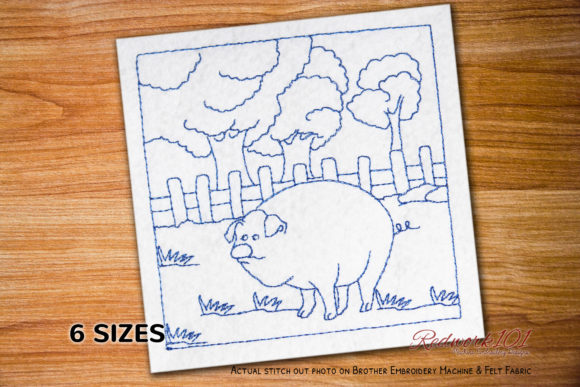
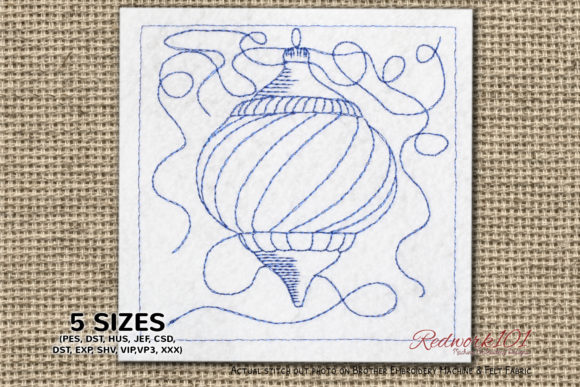
The moment I loaded the preview for Indian House Village Redwork, the rustic charm was undeniable. Redwork, by definition, relies on a single thread color against a contrasting background, creating a vintage, folk-art aesthetic that feels both nostalgic and timeless. For a boutique brand aiming for a cozy, handmade vibe, this design hits the mark perfectly. It does not scream "loud" or "bold" in the way modern graphic tees might; instead, it whispers "heritage" and "craft."
The layout appears balanced, with a density that suggests durability without overwhelming the fabric. In my experience, redwork designs can sometimes look sparse if not digitized correctly, but this piece maintains enough visual weight to stand out as a focal point. The mood is distinctly decorative yet minimal, making it versatile enough for various demographics, from young adults seeking unique Etsy seller finds to older customers who appreciate traditional Embroidery motifs.
Fabric Compatibility and Color Strategy
One of the most exciting aspects of testing Indian House Village Redwork was experimenting with different fabric bases. Because redwork relies heavily on contrast, the choice of sweatshirt color is paramount. On neutral sweatshirts like heather grey, oatmeal, or cream, the traditional red thread pops beautifully, creating a classic, high-end look. However, do not limit yourself to neutrals. I found that placing this design on deep navy or forest green hoodies created a sophisticated, preppy aesthetic that felt incredibly premium.
For pastel colors, such as blush pink or soft lavender, the design takes on a softer, more feminine quality. Here, you might consider switching the thread color from traditional red to a deep burgundy or even a charcoal grey to maintain readability while keeping the tone gentle. The key is ensuring your thread colors provide sufficient contrast against the fabric texture. Remember, the product description notes that the outer box color varies unless part of the design itself. This variability allows for creative customization, but it requires careful planning in your printable mockup stage to ensure the final look aligns with your brand identity.
Technical Considerations for Commercial Production
When moving from concept to production, several technical factors come into play. First, consider the stitch density. Redwork typically uses running stitches or simple fills, which means the design is generally lighter on the fabric. This is excellent for sweatshirt embroidery because it prevents the dreaded "hoop burn" or stiff patches that can occur with dense satin stitches. However, because the stitches are open, you must pay close attention to your stabilizer choice. A cut-away stabilizer is often recommended for knit fabrics like sweatshirts to provide long-term support and prevent distortion after washing.
Another critical detail mentioned in the description is the optional Box Stitch. As a designer, I appreciate this flexibility. The box can frame the village scene, giving it a structured, patch-like appearance, or it can be omitted for a more organic, floating look. If you choose to include the box, ensure the color contrasts sharply with both the background fabric and the redwork interior. If the box is a different color, as noted in most designs, you will need to manage thread changes efficiently to keep production costs down for your small shop product line.
Regarding hoop size, always check the specific dimensions of the digital embroidery file before purchasing. While I cannot specify the exact hoop requirement here, ensuring the design fits comfortably within your machine’s maximum area is crucial for proper placement. For oversized hoodies, a larger hoop allows for a bold chest placement or even a sleeve accent, whereas a smaller hoop might restrict you to a subtle left-chest logo style.
Placement and Branding Opportunities
Where you place Indian House Village Redwork can drastically change its perceived value. For a standard retail look, a left-chest placement is safe and professional. However, for a trendy, boutique feel, consider centering the design on the back of an oversized hoodie. This turns the garment into a statement piece, ideal for lifestyle product photography and social media engagement. The intricate details of the village scene become more visible at this scale, showcasing the quality of your finished product.
Sleeve accents are another underutilized option. Placing a smaller version of the design on the lower sleeve adds a subtle touch of craftsmanship that customers love to discover. It signals attention to detail, which builds buyer trust and enhances your brand identity. When creating your Etsy listings, use close-up shots of these placements to highlight the stitch quality and texture, differentiating your items from mass-produced alternatives.
Enhancing Product Value and Customer Engagement
Incorporating unique designs like Indian House Village Redwork into your collection does more than just add variety; it elevates the perceived value of your handmade product. Customers are increasingly drawn to items that tell a story or exhibit artisanal qualities. The rustic, village-themed motif evokes feelings of warmth, community, and tradition, which can resonate deeply with buyers looking for meaningful gifts or cozy seasonal apparel.
From a marketing perspective, this design offers excellent opportunities for storytelling. You can discuss the inspiration behind the village scene, the choice of redwork style, and the care taken in selecting high-quality threads. This narrative helps build an emotional connection with your audience, fostering loyalty and repeat business. Additionally, because the design is versatile across different colors and garment types, it allows you to create a cohesive collection that appeals to a broad range of tastes without losing its distinct character.
Final Verdict for Designers and Sellers
Before committing to a full production run, always verify the specific technical details of the embroidery file, including stitch count and recommended needle size, which are not explicitly provided in the brief description. Test stitch-outs on your actual garment blanks to assess tension and registration. Despite these standard precautions, Indian House Village Redwork stands out as a strong candidate for commercial apparel use. Its blend of traditional charm and modern versatility makes it a valuable asset for any designer looking to expand their design assets with something truly special.
Whether you are decorating for a local craft fair or scaling up your online store, this design offers the flexibility and aesthetic appeal needed to succeed in today’s competitive market. By paying attention to fabric contrast, stabilizer choice, and strategic placement, you can transform a simple digital file into a best-selling custom apparel staple that customers will cherish for years to come.