Squirrel Eating Nut: A Designer’s Review for Branded Merch
As an embroidery designer who has spent years digitizing files and consulting with small business owners, I approach every new machine embroidery design with a critical eye. It is not enough for a design to simply look cute on a screen; it must perform under the needle, hold up to washing, and serve a strategic purpose for the brand using it. Today, I am reviewing the Squirrel Eating Nut design, a charming addition to the Woodland Animals category that promises to add character to various creations. This review focuses on its viability for commercial use, from branded patches to custom apparel.
First Impressions: Visual Personality and Brand Fit
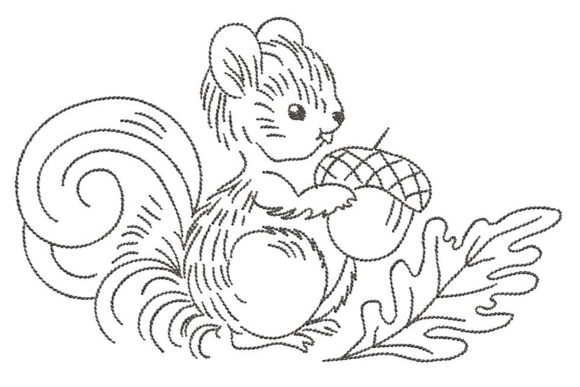
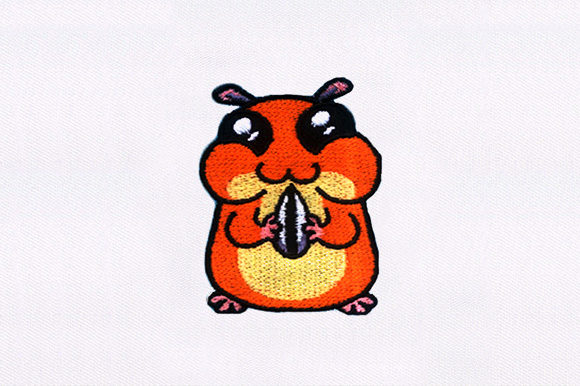
The immediate impression of the Squirrel Eating Nut is one of approachable warmth. The description highlights a "chubby and extremely cute squirrel," which signals a playful and friendly aesthetic. For businesses in the bakery, florist, pet care, or handmade goods sectors, this visual personality is invaluable. It does not scream corporate rigidity; instead, it invites connection. When evaluating this as a potential asset for your brand identity, consider whether your target audience responds well to whimsical, rustic, or nature-inspired motifs. If your boutique or creative studio aims to feel welcoming and community-focused, this design aligns perfectly with that goal. It feels decorative yet grounded, making it suitable for both modern and classic branding styles.
Commercial Applications for Small Business Merch
The versatility of this digital embroidery file is its strongest selling point for merch creators and Etsy sellers. Here is how I envision it performing in real-world business scenarios:
- Embroidered Patches: This is perhaps the most lucrative application. A squirrel holding a nut creates a self-contained shape that works beautifully as an iron-on or sew-on patch. You can sell these as standalone accessories or use them to upgrade plain denim jackets and tote bags, increasing the perceived value of the finished product.
- Staff Uniforms and Aprons: For a local café or artisan bakery, stitching this design onto the chest pocket of an apron adds a touch of personality without being overwhelming. It humanizes the staff and reinforces the shop’s rustic or natural vibe. Ensure you check the stitch density to keep the apron comfortable and flexible.
- Cap Embroidery: Placing the squirrel on the side panel or back of a cap can be a subtle branding element. However, curved surfaces require careful digitizing. If the design is too wide, it may distort on the front panel of a structured cap.
- Tote Bag Design: Canvas bags are a staple for craft fairs and retail shops. A central placement of this woodland creature makes for an attractive, functional item that customers love to carry, effectively turning them into walking advertisements for your brand.
Technical Considerations and Production Challenges
While the aesthetic appeal is high, professional execution requires attention to technical details. The description notes that the design comes with multiple formats, but it does not specify exact stitch counts or hoop sizes. Before committing to a large production run, you must verify these specifications. Here are critical factors to evaluate:
- Scale and Detail: "Chubby" implies rounded shapes, which are generally good for embroidery. However, if the nut or facial features are too small, they may merge when stitched out at a reduced size. Always test the design at the smallest intended dimension, such as a 2-inch patch, to ensure clarity.
- Fabric Texture and Stabilizer: The performance of the embroidery file will vary significantly based on the material. On thick denim or canvas, a cut-away stabilizer is essential to prevent puckering. On delicate fabrics like silk or thin cotton blends, a tear-away stabilizer might suffice, but you must test for shadowing or pull-out.
- Thread Colors and Contrast: To maintain professionalism, choose thread colors that contrast well with the garment. A brown squirrel on a dark navy shirt may get lost. Consider using metallic or variegated threads for the nut to add a premium touch, but ensure your machine can handle them without breaking.
- Washability: Items like aprons and work shirts undergo frequent washing. Verify that the stitch structure is dense enough to withstand laundering without fraying, but not so dense that it creates a stiff, cardboard-like feel on the fabric.
Enhancing Brand Identity and Customer Trust
Using a consistent visual motif like the Squirrel Eating Nut across various touchpoints builds recognition. When a customer sees the same adorable squirrel on your packaging, your website, and their purchased tote bag, it reinforces trust. It signals that you pay attention to detail and care about the handmade product experience. For Etsy sellers, this consistency can lead to higher repeat purchase rates. Furthermore, offering custom apparel with this design allows clients to feel part of a community. It transforms a simple transaction into an emotional connection, which is the cornerstone of successful small business merchandising.
Practical Designer Notes for Implementation
Before you list this design in your shop or use it for client work, follow these steps to ensure quality control:
- Test in Black and White: Stitch out the design using only black thread on white fabric. This reveals the underlying structure and highlights any spacing issues or unnecessary jumps that might not be visible in a colorful preview.
- Create a Printable Mockup: Use digital tools to place the design on photos of actual products. This helps clients visualize the final result and reduces approval time. A clear printable mockup can also serve as a powerful marketing asset on social media.
- Check Commercial Licensing: The description mentions it is for creations, but always confirm the license terms. Ensure you have the right to use the design assets for commercial sales, especially if you plan to sell physical items featuring the squirrel.
- Compare with Other Assets: Place this design alongside your existing logo or other woodland-themed graphics. Does it complement them? Visual consistency is key to a polished brand presentation.
Final Verdict for Embroidery Professionals
The Squirrel Eating Nut is a strong contender for businesses looking to inject warmth and personality into their merchandise. Its potential as an embroidered patch or accent on custom apparel is high, provided you manage the technical aspects of scale and stabilization. It is not just a decorative element; it is a tool for storytelling. By integrating this charming woodland character into your product line, you create items that resonate emotionally with customers. Remember to request the specific file details regarding hoop size and stitch count from the provider if they are not explicitly listed, as this information is crucial for efficient production. With careful testing and strategic placement, this design can become a signature element of your brand’s visual language, driving engagement and sales for your small business.