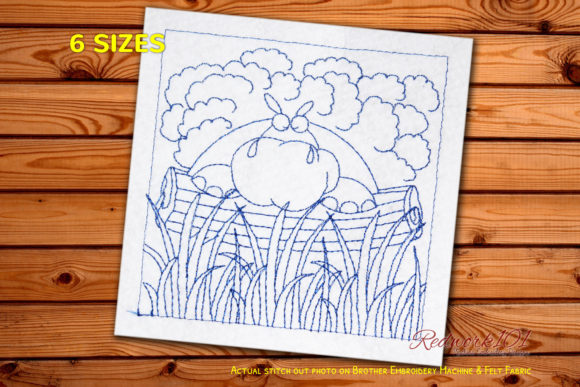
Review: Hippopotamus Sleeping on the Wood Redwork
As an embroidery designer who has spent years testing digital files for real-world application, I approach every new machine embroidery design with a critical eye. It is not just about how the image looks on a screen; it is about how it translates to fabric, thread, and ultimately, into the hands of a customer. Recently, I tested the Hippopotamus Sleeping on the Wood Redwork to determine its viability for my personalized gift shop. This review breaks down the aesthetic appeal, practical applications, and technical considerations for fellow crafters, Etsy sellers, and small business owners looking to expand their Wild Animals category.
First Impressions: Charm and Simplicity
The first thing that strikes you about the Hippopotamus Sleeping on the Wood Redwork is its understated elegance. In a market saturated with complex, multi-colored designs, redwork offers a refreshing return to classic Embroidery roots. The design features a serene hippopotamus, curled up in sleep, which immediately evokes feelings of calm, safety, and warmth. This emotional resonance is crucial for a personalized gift. Customers are not just buying a stitched image; they are buying a feeling.
The mood is distinctly sweet and playful, yet refined enough for modern nursery decor. Because it is a redwork style, typically using a single thread color against a contrasting background, the focus remains entirely on the line work and the silhouette of the animal. This simplicity makes it feel handmade and authentic, qualities that drive buyer engagement on platforms like Etsy. The optional box stitch mentioned in the product description adds a layer of versatility, allowing you to frame the design for a more finished look or leave it open for a minimalist aesthetic.
Versatility Across Product Lines
One of the strongest assets of this design is its adaptability. I tested it across several potential products to see where it performed best. For baby embroidery, this design is a standout. Imagine it stitched onto a soft muslin swaddle or a high-quality cotton onesie. The sleeping motif aligns perfectly with the purpose of baby items, promising rest and comfort. It also works beautifully as a wedding gift element, particularly for couples who appreciate whimsical nature themes or have a connection to wildlife conservation.
Beyond baby items, consider the embroidered towel market. A kitchen hand towel featuring this sleeping hippo becomes a charming housewarming present. The redwork style holds up well here, as the single-color stitching does not get lost in the texture of terry cloth as easily as dense, multi-colored fills might. For home decor, a pillow cover or a tote bag featuring this design adds a touch of rustic charm. The Hippopotamus Sleeping on the Wood Redwork transforms ordinary items into unique handmade product offerings that stand out in a crowded marketplace.
Technical Considerations for Makers
While the design is visually appealing, successful execution requires attention to technical details. Before running this digital embroidery file on a customer’s expensive fabric, always start with a test on scrap material. This allows you to check the stitch density and ensure there are no thread breaks or nesting issues. Since redwork relies on continuous lines, tension settings must be precise to avoid puckering.
Fabric choice plays a significant role in the final outcome. On smooth cotton or linen, the lines will appear crisp and defined. However, on textured fabrics like heavy towels or fuzzy fleece, some finer details may get lost. If you are stitching on stretchy baby clothes, using the correct stabilizer is non-negotiable. A cut-away stabilizer is often recommended for garments that will undergo frequent washing, ensuring the design retains its shape over time.
Pay close attention to the optional box stitch. The product description notes that the color of the outer box is different in most designs unless it is part of the design itself. This means you must carefully plan your thread colors. If you want the box to blend in, match it to the hippo. If you want it to pop, choose a contrasting shade. Always confirm the hoop size required for the specific file version you purchase, as resizing can distort the proportions of the sleeping hippo, making it look stretched or compressed.
Navigating Challenges and Limitations
There are specific scenarios where this design should be used with caution. Small lettering, if added as part of a custom embroidery order, needs to be spaced adequately from the main design to avoid crowding. Delicate details in the hippo’s face or limbs may not translate well on very dark fabric if the thread contrast is not high enough. For example, stitching red thread on a dark navy background might lack visibility depending on the shade of red used.
Additionally, consider the end-use of the product. Items that require frequent, harsh washing, such as pet beds or outdoor gear, may cause the threads to fray faster than items kept for display. When creating a printable mockup for your online store, ensure you show the design on both light and dark fabrics to manage customer expectations. This transparency builds trust and reduces return rates.
Enhancing Perceived Value and Giftability
From a business perspective, the Hippopotamus Sleeping on the Wood Redwork enhances the perceived value of your small shop product lineup. The classic nature of redwork suggests timeless quality, which appeals to buyers looking for heirloom-style items. When photographing your finished product, highlight the neatness of the stitches and the softness of the fabric. Good photography combined with a charming design drives emotional connection, encouraging customers to click "buy."
For Etsy seller success, use keywords that reflect the niche, such as "nursery wall art," "baby shower gift," and "animal lover decor." Mentioning that the design is suitable for commercial embroidery (after verifying the license) can attract other makers who want to buy physical items from you rather than digital files. Always check the licensing terms provided with the embroidery file to ensure you are compliant when selling finished goods.
Final Verdict for Crafters
The Hippopotamus Sleeping on the Wood Redwork is a versatile and emotionally resonant addition to any embroidery portfolio. It bridges the gap between playful Wild Animals themes and sophisticated design aesthetics. By paying attention to fabric texture, stabilizer choice, and thread contrast, you can create stunning blanket embroidery, aprons, and keepsakes that customers will cherish. Whether you are a seasoned professional or a hobbyist looking to sell your first item, this design offers a reliable pathway to creating meaningful, high-quality handmade gifts. Remember to verify all technical specs like hoop size and stitch count from the provider before starting your next project to ensure a flawless result.